
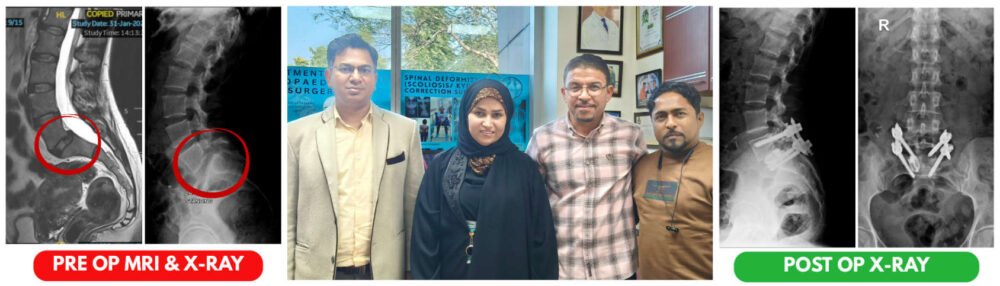
Patient Presentation & Medical History
A 39-year-old female from Iraq travelled to India seeking expert spine care for persistent lower back pain radiating to the right leg, associated with numbness and tingling sensations. Her symptoms had progressively worsened, significantly affecting daily activities, mobility, and quality of life despite conservative treatment.
Diagnosis & Advanced Evaluation
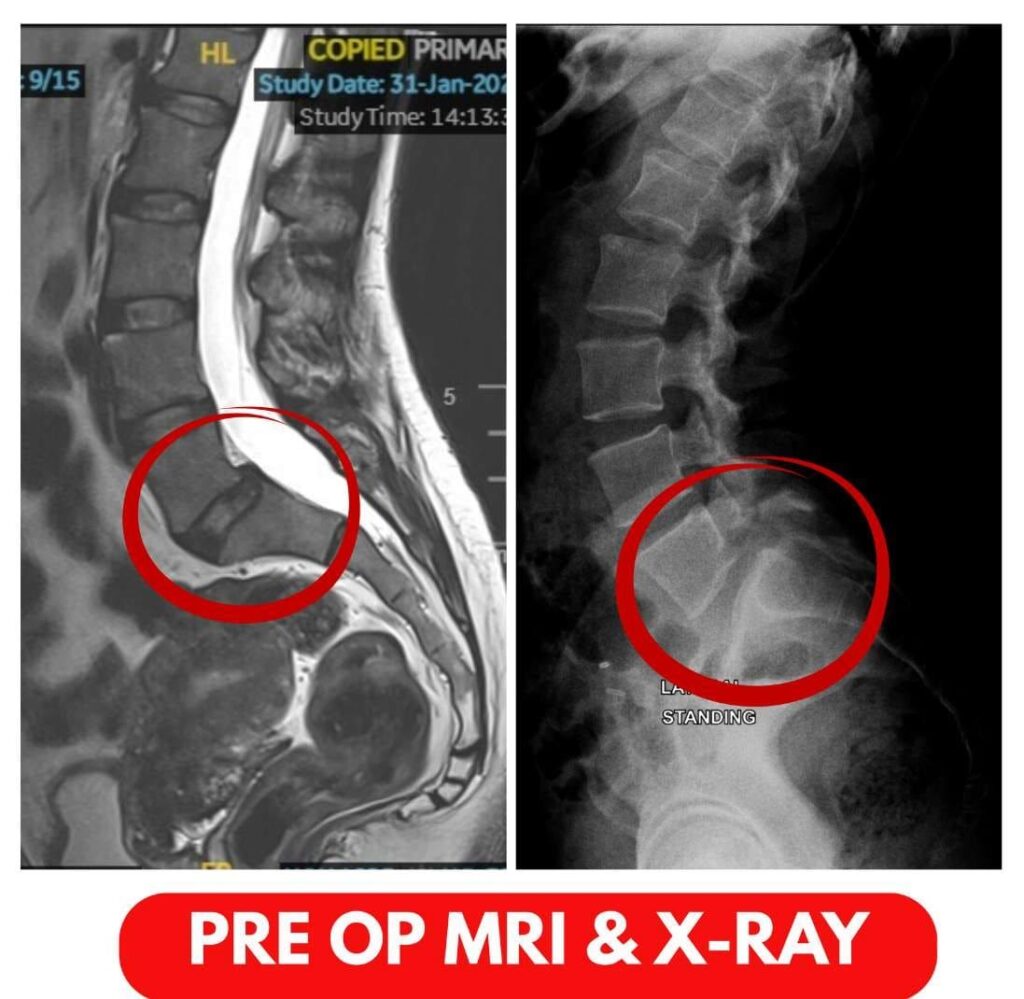
At Artemis Hospital, Gurgaon, the patient underwent a comprehensive clinical assessment supported by Dynamic MRI and X-ray imaging of the lumbosacral spine.
The investigations revealed A-lytic Spondylolisthesis at the L5–S1 level, a condition where a defect in the pars interarticularis leads to vertebral slippage, causing spinal instability and nerve compression—explaining her leg pain and neurological symptoms.
Treatment Plan & Surgical Management
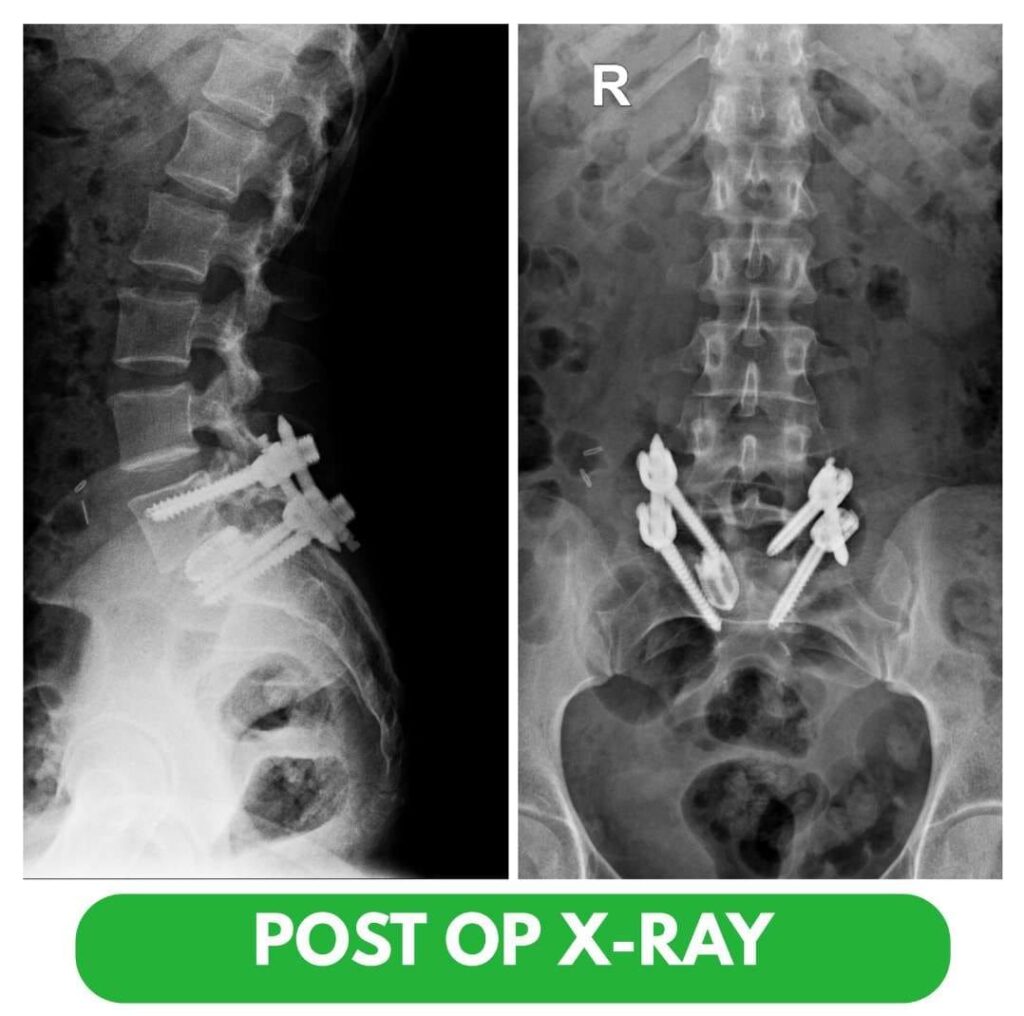
Considering the severity of symptoms, radiological findings, and functional limitation, the patient was advised Minimally Invasive Transforaminal Lumbar Interbody Fusion (MIS-TLIF) at L5–S1.
The minimally invasive approach was chosen to:
• Achieve effective nerve decompression
• Restore spinal alignment and stability
• Minimize tissue damage and blood loss
• Enable faster recovery and early mobilization
The surgery was performed successfully with precision and advanced spinal instrumentation.
Recovery & Outcome
Post-surgery, the patient experienced significant relief from back and leg pain, with gradual resolution of numbness and tingling. She mobilized comfortably, progressed well with rehabilitation, and had a smooth postoperative recovery.
With restored confidence and improved quality of life, she is now ready to fly back to Iraq, carrying positive memories of the care, treatment, and patient-focused services she received at Artemis Hospital.
Expert Insight: Lytic Spondylolisthesis & Advances in Spine Surgery
According to Dr. Hitesh Garg, lytic spondylolisthesis is commonly caused by a stress fracture or defect in the pars interarticularis, often related to repetitive stress, genetic predisposition, or long-standing mechanical strain. Over time, this defect can lead to vertebral slippage, nerve compression, and progressive pain if left untreated.
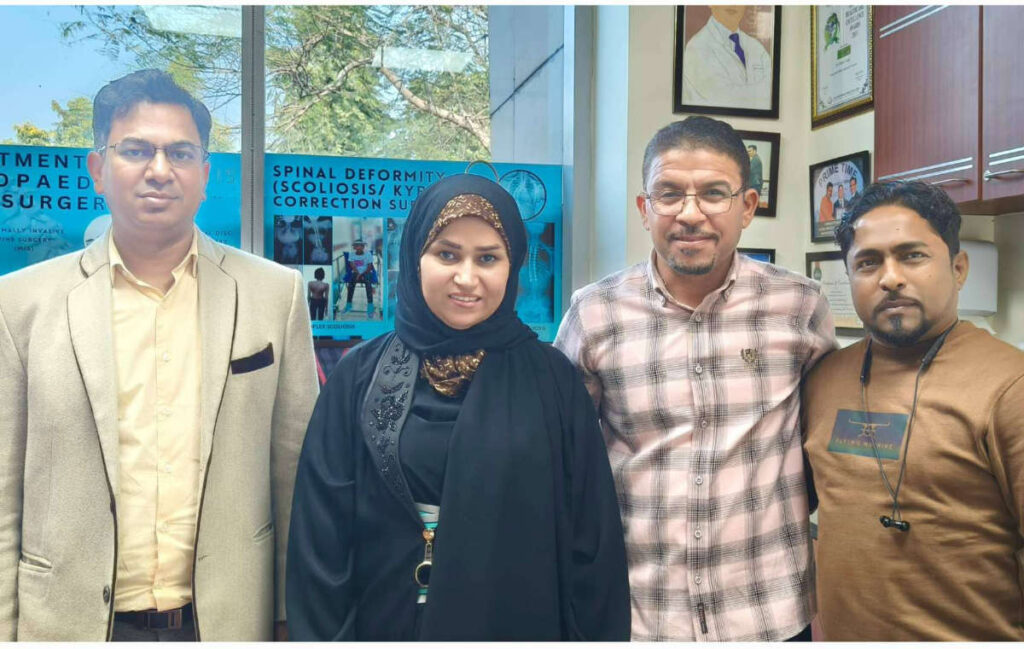
“With advances in spine surgery, especially minimally invasive techniques like MIS-TLIF, we can now treat spinal instability with high precision, less postoperative pain, faster recovery, and excellent long-term outcomes. Careful patient selection and advanced imaging play a crucial role in achieving success.”
Conclusion
This successful case highlights how accurate diagnosis, advanced imaging, and modern minimally invasive spine surgery can transform lives—even for international patients travelling long distances for care.
Right diagnosis. Advanced surgery. Faster recovery. Trusted spine care.